The Bitter Rivalry: MK Party vs EFF and its impact on black political unity
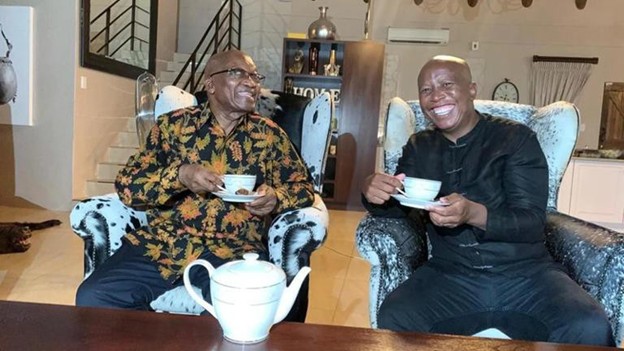
The escalating tension between the newly formed MK Party and the Economic Freedom Fighters (EFF) is casting a shadow over South Africa’s already fragile political landscape where black parties have failed to unite.
Once allies in the quest for black liberation, the two parties now find themselves embroiled in a bitter rivalry, political experts warn could undermine the leftist movement and deepen political fragmentation.
At the heart of the discord is Julius Malema, leader of the EFF, who recently launched a scathing attack on the MK Party, questioning its relevance despite holding more parliamentary seats.
Speaking at Ward 16 in Kwakwatsi, Koppies, ahead of the upcoming Ngwathe Local Municipality by-elections, Malema criticised the MK Party’s influence
“Leadership is not about numbers, but about superior logic.”
He added, “There’s this party called the MK Party. Yes, they have more seats, but they are
stupid. You can’t even hear what they say when they speak in Parliament. They have numbers for nothing.”
Malema’s comments highlighted the deepening rift rooted in political differences and personal rivalries that have spilled into the public domain.
The MK Party, formed after the defunct Umkhonto we Sizwe (the armed wing of the ANC), initially collaborated with the EFF, even co-founding the Progressive Caucus in
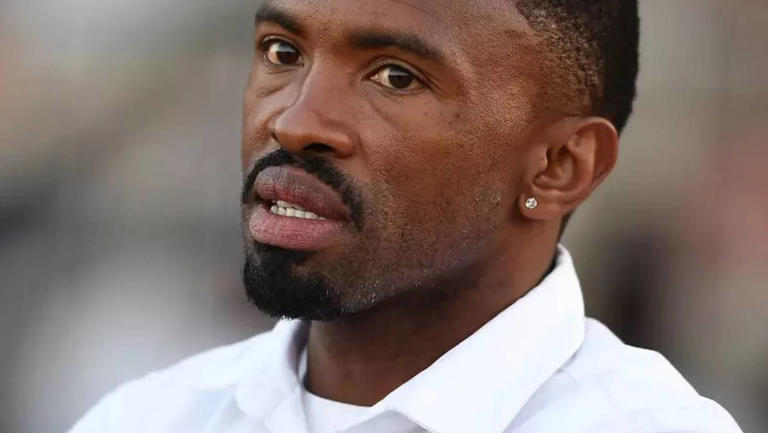
Parliament, however, relations soured following the departure of Floyd Shivambu, the EFF’s former Deputy President, who now serves as the MK Party’s Secretary-General.
Shivambu, in a defiant tone, recently told the MK supporters, “We’re not begging for unity; we’re demanding it. Our people want unity among black voters, and those who refuse are charlatans.”His remarks followed Malema’s, highlighting the shift between the two parties.
Analysts weigh in, stating that the rift is less about ideology than personal animosities and leadership struggles.
Independent Political analyst Professor Sipho Seepe said, “What we see is a clash of personalities, not fundamental ideological differences.”
He added that this undermines collaboration and weakens the prospects for a united front and that the rift would discourage voters from participating in political party activities.
Seepe argued that the divide threatens to weaken the broader leftist movement in South Africa, which has long struggled to present a unified front against the dominant ANC.
“Voters are increasingly skeptical of fractured opposition,” said Dr Metji Makgoba, a political analyst from the University of Limpopo.
“If these parties continue to fight amongst themselves, it will only benefit the ANC’s efforts to regain relevance, especially as the ANC itself appears leaderless and directionless.
Makgoba argued that both the MK Party and the EFF are led by progressive figures who have, in various ways, committed themselves to advancing the interests of black people in South Africa. “The ongoing tensions between the two formations are unfortunate, as they reflect a more profound and more troubling reality that the liberation of black people remains incomplete. “The inability of major black political